403-266-2283
1918 Kensington Rd NW Unit #310, Calgary, AB T2N 3R5, Canada
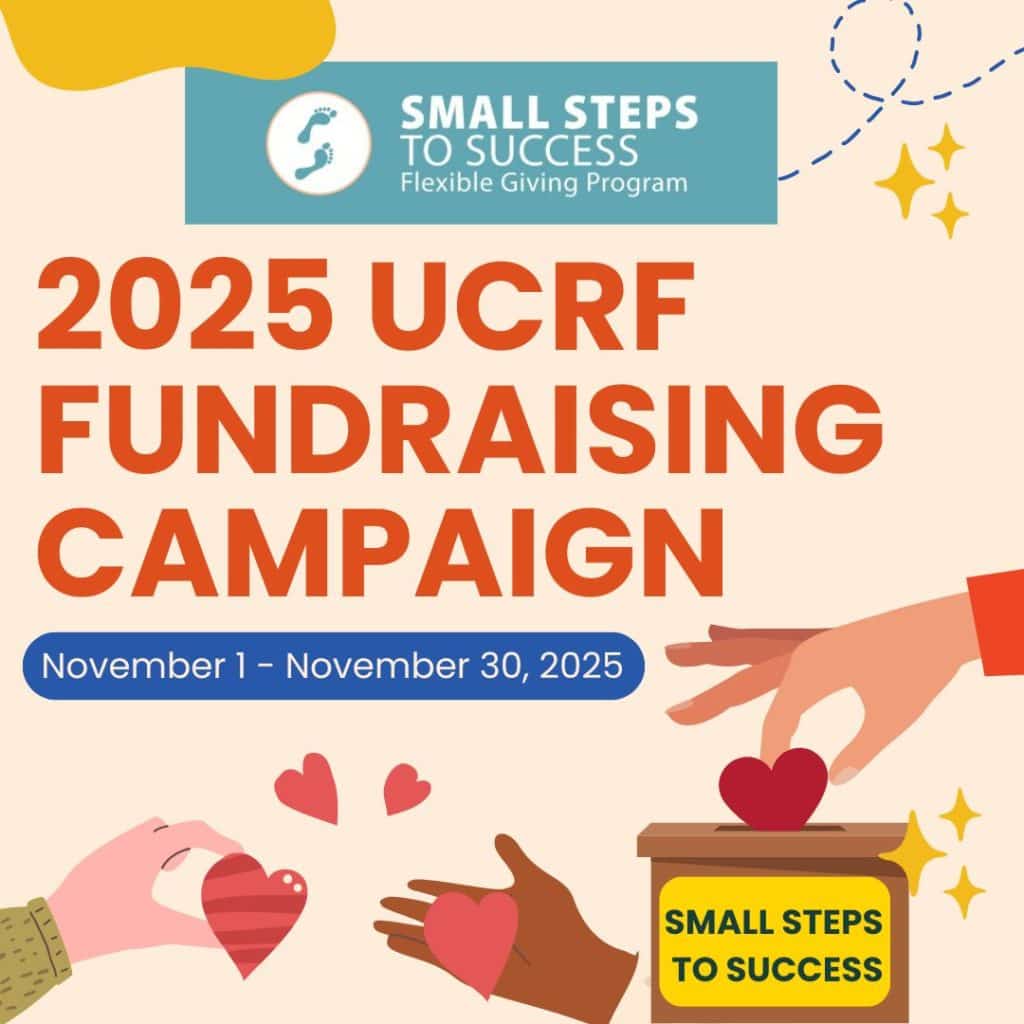
Together, Small Steps Create Big Change
For the past 16 years, the Small Steps to Success campaign has provided the vital funding that powers NUCCA research. Each November, Vibe Health along with other NUCCA clinics across North America come together to ensuring NUCCA remains recognized as a precise, evidence-based approach to care.
The fundraising conducted through Small Steps is the lifeline for UCRF research (Upper Cervical Research Foundation). It allows us to publish peer-reviewed studies, mentor students, and validate the tools NUCCA doctors use every day in practice. Without these efforts, the science behind NUCCA would stall. With your help, it thrives. Through the month of November, we will be collecting your donations , via email, in person during an appointment or mail. Any amount you feel called to give, we graciously appreciate. With many supporters stepping up , even small donations (“small steps”) lead to large changes with the help of many working towards a common goal. Tax receipts are provided to any donation over $50. Small or large, you support is greatly appreciated!! Want to learn more of how NUCCA & the UCRF uses the funding? Read below…….
Research Focus Areas for 2025
This year, UCRF is advancing a comprehensive portfolio of projects that strengthen NUCCA care today and build credibility for the future.
1. Anatometer / GSA Validation Study
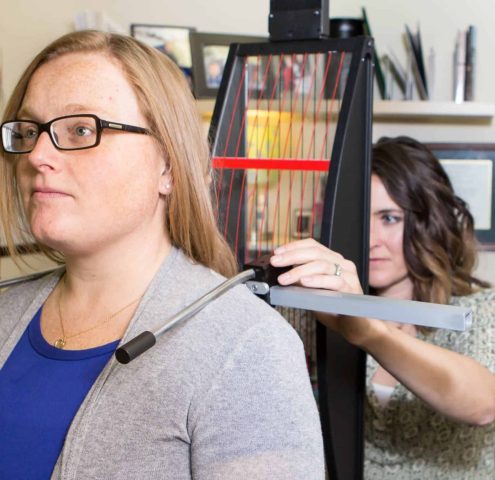
Accurate posture measurement is one of the most visible and essential outcomes of NUCCA care, serving as a strong indicator of overall health. To ensure confidence in these assessments, UCRF is validating two key tools:
This study is designed to confirm that these tools provide consistent, reproducible, and scientifically sound measurements. Reliable posture data not only strengthens clinical decisions in everyday practice but also ensures that NUCCA research meets the highest standards of evidence.
Your support enables the validation of these tools, providing NUCCA doctors with the precision they require and patients with the quality care they deserve.
2. Radiographic Positioning Agreement Study – R.A.S. System
Accurate x-ray positioning is crucial for every NUCCA correction. The Radiographic Alignment System (R.A.S.) study was created to assess the consistency and reliability of NUCCA pre- and post-x-ray positioning across clinics.
Our team has gathered extensive data to measure how doctors of varying training and experience approached NUCCA x-ray positioning. The results revealed that experience and training have a significant impact on accuracy—a finding that underscores the importance of both validated NUCCA protocols and ongoing professional education.
We are now finalizing a peer-reviewed paper to present these significant results. This publication, authored by Drs. Jaimie Johnson, PhD, Gordon Hasick, Craig Lapenski and David Vasquez will help establish clearer guidelines for NUCCA imaging and strengthen the credibility of radiographic procedures used in NUCCA clinical care worldwide.
Your support through the Small Steps campaign ensures that studies like this are published and shared, thereby providing NUCCA practitioners with essential standards and building trust among patients.
3. The Optimal Correction of the ASC, Stability, and Quality of Life Impact
At the core of NUCCA care is the Atlas Subluxation Complex (ASC). This study investigates how NUCCA adjustments, carried out with the highest precision and thoroughness, affect long-term spinal stability, neurological function, and overall quality of life.
Our goal is to define what “optimal correction” truly means in clinical practice:
By examining both structural and patient-centred outcomes, this project presents a series of papers that further strengthen the gold standard for NUCCA corrections.
Your support through the Small Steps campaign helps fund vital research, giving NUCCA doctors a clear care plan and patients confidence in evidence-based results.
4. Prevalence of the ASC Syndrome in the General Population
How prevalent is the Atlas Subluxation Complex (ASC) Syndrome? Until now, we haven’t had a clear answer—an issue that may have hindered wider recognition of NUCCA’s significance.
In response to recommendations from the National Institutes of Health (NIH), UCRF is launching a landmark study to determine the actual prevalence of ASC Syndrome in the general population. This is one of the most significant projects ever undertaken in NUCCA research, with the potential to:
This study could fundamentally alter the perception of NUCCA within healthcare by illustrating the potential impact on many lives through ASC Syndrome.
With your support through the Small Steps campaign, we can take this bold step forward—producing data that not only benefits patients but also elevates NUCCA on the global healthcare stage.
5. Developing a NUCCA Practice-Based Research Network (PBRN)
We are creating a Practice-Based Research Network (PBRN)—a collaborative community of NUCCA clinics working together across North America. This network will enable us to:
The NUCCA PBRN will serve as the backbone for future large-scale studies, enabling us to ask bigger questions, publish stronger evidence, and demonstrate NUCCA’s impact within chiropractic and beyond.
Your support through the Small Steps campaign helps turn this shared vision into reality—transforming everyday clinical practice into impactful research that shapes the future of NUCCA care.
6. Student Research Mentoring Scholarships
The UCRF Student Research Scholarship Program is shaping the future of NUCCA by investing in the next generation of researchers.
Each year, five outstanding chiropractic students are selected to partner with seasoned NUCCA doctors. Together, they design, conduct, and publish research that strengthens the scientific foundation of NUCCA care.
These scholarships are more than just financial aid—they provide an educational opportunity to ignite passion for research, foster collaboration, and prepare the future leaders who will advance NUCCA.
Your gift to the Small Steps campaign helps mentor the next generation, ensuring NUCCA research continues to thrive for decades to come.
7. Ongoing Blood and CSF Flow Migraine Study Data Review
The Blood and Cerebrospinal Fluid (CSF) Flow Study is among the most advanced projects ever undertaken in NUCCA research. This ongoing review aims to understand how NUCCA care might influence blood and CSF circulation in the brain and spinal cord, and what that means for patients living with migraines and related neurological conditions.
Our current work involves:
This study has the potential to link NUCCA care with measurable changes in brain physiology—a vital step toward greater scientific recognition and medical collaboration.
With your support through the Small Steps campaign, we can bring these findings to publication and share them with the world, giving patients and doctors stronger evidence of NUCCA’s profound impact.
Why This All Matters:
These research efforts extend beyond academia—they directly impact how doctors practice, how patients recover, and the perception of NUCCA within the broader healthcare community.
Our aim for 2025–26 is to raise $85,000 to support and publish these research projects. Every donation to the Small Steps campaign helps ensure that NUCCA research keeps progressing—one project, one student, and one publication at a time.
Please join us this November.
Read the 2025 UCRF Impact Report—because together, small steps truly create big change.
Call the clinic for more information and how to provide your gift this coming month!